

Industry News
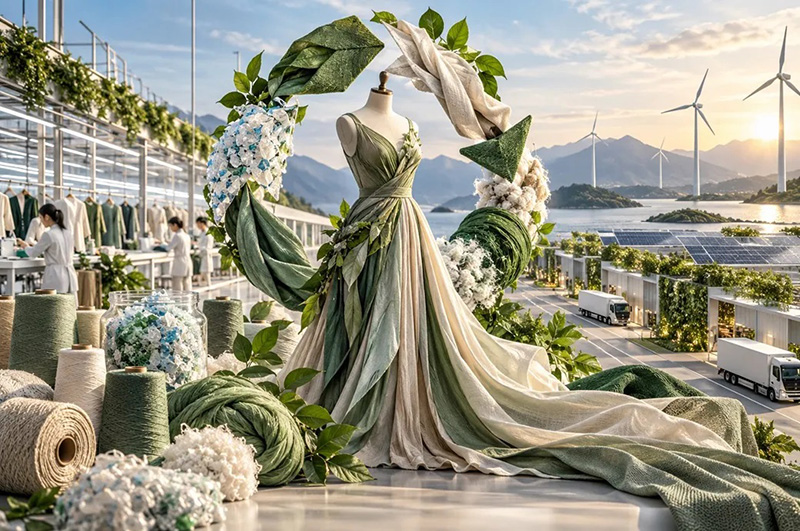
Climate Pledge Fashion Coalition targets net zero fashion by 2040
Source: www.fibre2fashion.com
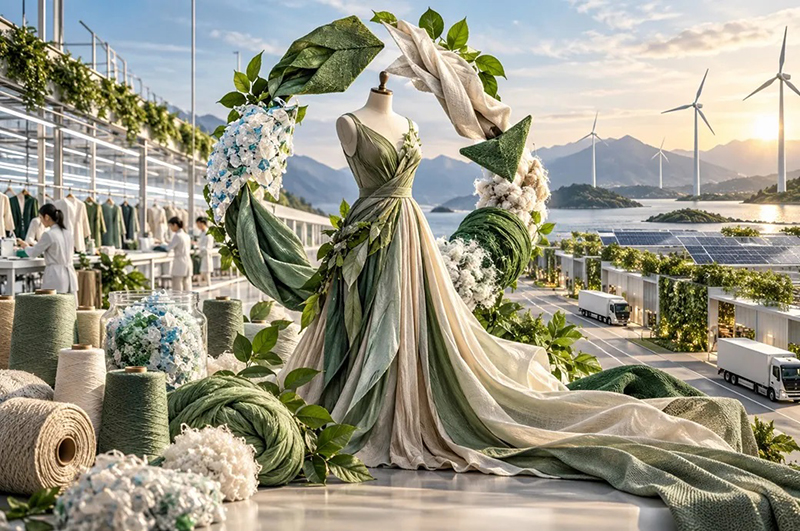
The Climate Pledge, alongside Amazon, Stella McCartney, and Canopy have co-founded The Climate Pledge Fashion Coalition, with convening support from the World Economic Forum. The coalition supports more than 60 Climate Pledge signatories, including fashion brands, innovators, manufacturers, and retailers, in their work to reach net-zero carbon by 2040. By combining collective demand with new financing models, and new tools like the Fashion Coalition Lever Library, the coalition aims to help more sustainable materials and processes scale across the industry, reducing environmental effects across fashion supply chains.
Right now, the materials and processes that could significantly reduce fashion's environmental footprint are too expensive, too scarce, or too fragmented to compete with conventional alternatives at scale. The coalition exists to change that. Rather than focusing solely on end-of-life solutions, it targets innovation earlier in the product lifecycle, supporting the development, commercialization, and adoption of materials and processes with measurably lower environmental footprints. That includes organic, recycled, and next-generation fibers made from waste feedstocks, as well as manufacturing technologies that reduce water use, chemical inputs, and emissions. The goal is to make these options the new standard across the industry, bringing more sustainable fashion choices to customers at every price point.
Co-founded by Amazon and Global Optimism in 2019, The Climate Pledge has grown to include more than 700 signatories across 60+ industries, all committed to reaching net-zero carbon by 2040. Fashion's supply chains cut across many of those industries, and that cross-sector network is what makes The Climate Pledge Fashion Coalition different. It builds on a proven model of collaboration and brings it to one of the world's most complex and resource-intensive industries.
Cinte Techtextil China 2026 wraps up, advances next-gen textile trade
Source: www.fibre2fashion.com
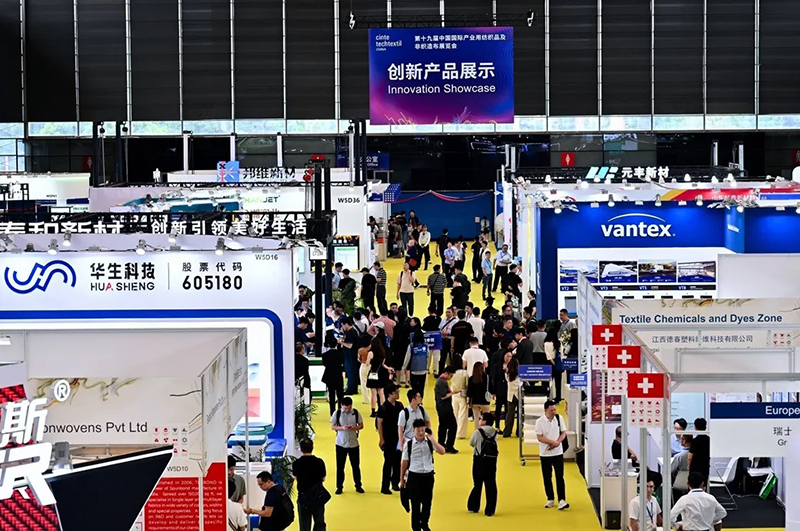
Asia’s premier trade fair for technical textiles and nonwovens delivered a vibrant and productive edition this year, bringing together key players from around the world. Featuring over 300 exhibitors from 15 countries and regions across 32,000 sqm, the platform drew nearly 19,000 visits from an increasingly diverse international audience spanning 86 represented markets. As the industry continues to adjust to a complex economic climate, Cinte Techtextil China 2026 curated chances for high-growth sectors, including automotive, medical & protective and industrial, while fostering sustainability and innovation to drive long-term resilience. The fair bridged expertise from East and West through cutting-edge showcases and a targeted fringe programme, building a solid foundation for advancement and growth.
Underscoring the fair’s expanding international reach, this edition welcomed a range of debut exhibitors, and suppliers from new exhibiting countries including Bangladesh, India, Singapore, Thailand, and Turkiye, adding to a strong lineup from across Asia, Europe and North America.
At the centre of this global showcase were the European and German Zones, featuring industry leaders such as Graf + Cie (Switzerland; Medtech, Geotech), Ibena (Germany; Protech), Mahlo (Germany; all applications), Monosuisse Group (Switzerland; Indutech, Mobiltech), and the Reifenhauser Group (Germany; all applications). Meanwhile, first-time participant Tepar Tekstil (Turkiye; Sporttech) displayed its high-performance DURAFIL fabric. Other major European players including A.CELLI (Italy), Andritz (France), Groz-Beckert (Germany), and Picanol (Belgium), presented advanced machinery, digital innovations, and sustainable nonwoven production solutions. Their comprehensive, cross-application offerings drew foot traffic and underscored the platform’s strong international appeal.
Product innovation was equally prominent across the broader international showcase. Nippon Paper Industries from Japan highlighted Cu-TOP, a paper textile material combining pulp technology with copper functionality, while US-based Wintriss Engineering demonstrated its Web Ranger online, AI-incorporated surface defect inspection system. Adding to the fair’s technical diversity were Korea’s JR Ltd with its deodorant fibre, alongside new participants Care Holdings (Singapore; Geotech, Buildtech), IMAE Industries (Japan; Indutech), and Texbond Nonwovens (India; Buildtech, Packtech), as well as exhibitors from the Textile Chemicals and Dyes Zone.
The fair featured various high-calibre panels, conferences, guided tours, display areas and more to target crucial development sectors and trends. Key experts addressed pivotal shifts in nonwovens and technical textiles, including smart, sustainable solutions and innovations, equipping attendees with actionable market insights to navigate the evolving global supply chain. Major sessions, including the Asia International Hemp Federation and automotive textile panels, as well as the 2026 Nonwovens Industry High-Quality Development Conference, reported strong engagement and meaningful exchange.
Intertextile Shanghai 2026 draws over 100,000 visitors
Source: www.fibre2fashion.com
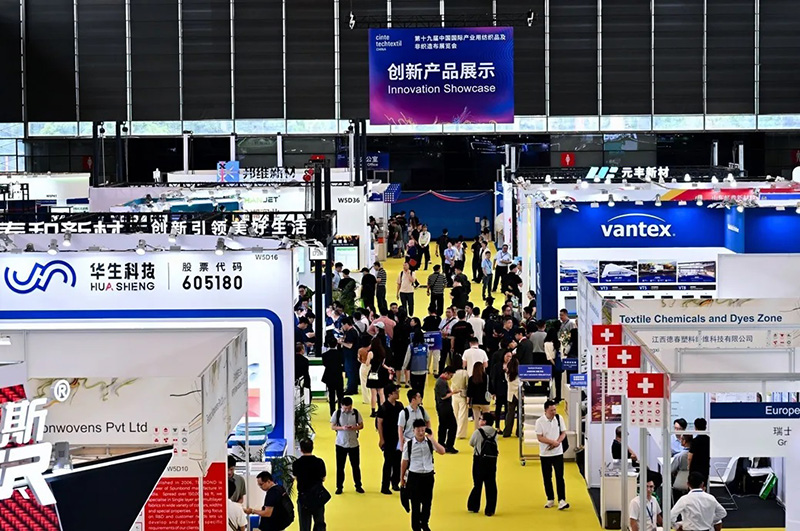
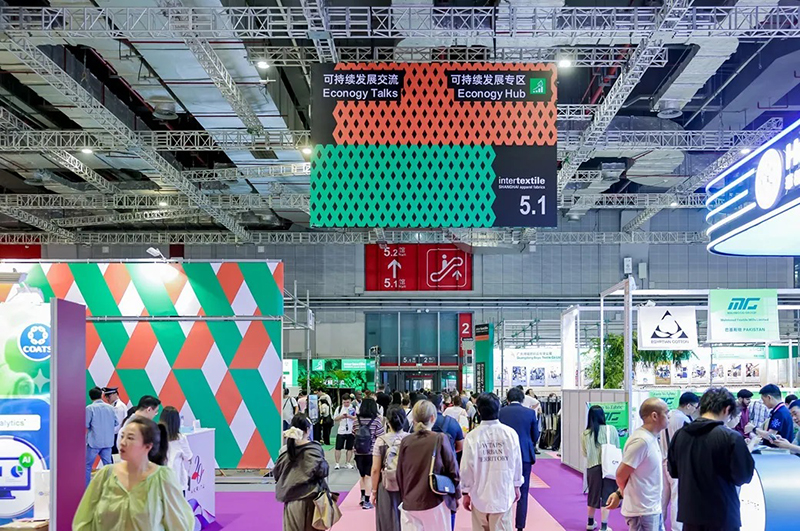
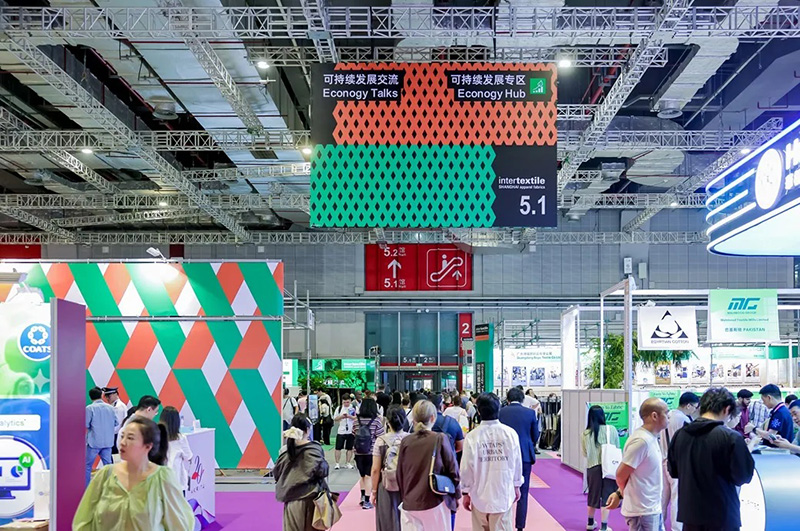
Textile innovation in the form of widely applicable, scalable solutions was on show as Intertextile Shanghai Apparel Fabrics – Autumn Edition 2026 concluded on 27 August. The show brought together over 3,500 exhibitors from 30 countries and regions across 240,000 sqm at the National Exhibition and Convention Center (Shanghai) and welcomed over 100,000 visitors. Across three days, the fair served as a dynamic platform for sourcing, product discovery, and industry exchange, reflecting demand for materials and solutions that balance creativity, functionality, responsibility, and efficiency.
The fair’s four key pillars – Fashion Forward, Performance Textiles, Sustainability, and Textile Future – helped organise a wide spectrum of exhibitor showcases, better shaping buyer discussions. Together, they reflected how today’s textile sourcing decisions increasingly take into account blends of creativity, technical performance, environmental responsibility, and digital capability. This edition made clear that these pillars do not act in isolation but often combine to great effect across various product categories.
Global suppliers remained central to the fair’s identity, with country and region pavilions, international zones, and overseas exhibitors contributing to a broad and diversified sourcing landscape. New exhibiting countries and regions in this edition included Côte d’Ivoire, Egypt, Malaysia, Nigeria, Norway, Sweden, and Thailand, underlining the fair’s expanding international reach. Representing one of the new exhibiting countries, Gervais Nagnontcha Coulibaly, head of communication, media and digital, Investment Promotion Centre of Côte d'Ivoire (CEPICI), noted: “We came here to promote the cotton and textile sector in Côte d'Ivoire. We already have a primary industry in these sectors, but we are looking for investors to help complete the cotton value chain in the country. At this fair, we have seen many investors and exhibitors and realised that people are interested in cotton from West Africa.”
Trade buyers also highlighted the fair’s value as a sourcing platform, citing new materials, supplier connections, market insight, and targeted business matching.
Texworld Paris highlights shift towards diversified sourcing
Source: www.fibre2fashion.com
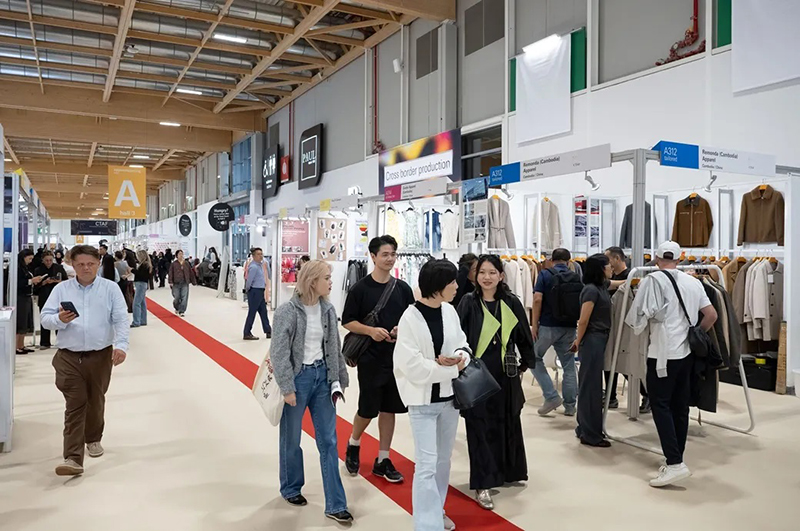
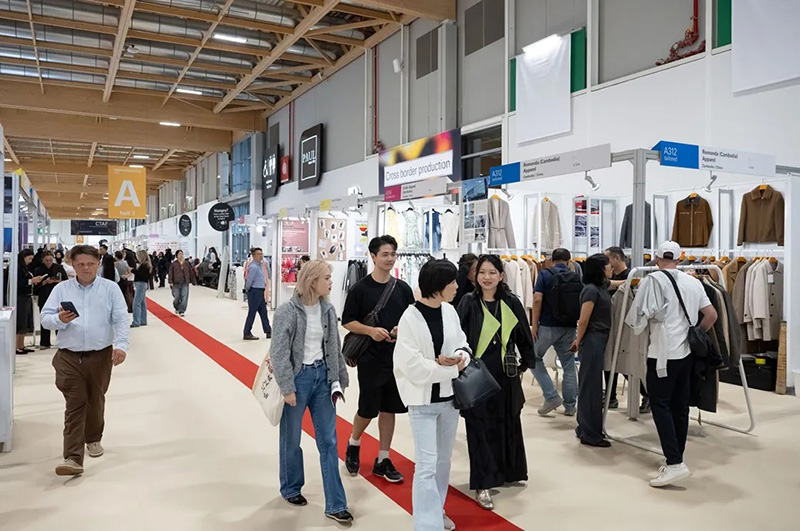
The 59th edition of Texworld Apparel Sourcing Paris, which took place from 31 August to 2 September at the Paris-Le Bourget Exhibition Centre, comes to an end in a still tense market environment. Compared with previous editions, attendance at the show was impacted by an early calendar but also by an uncertain political and economic environment
Nevertheless, these three days confirmed the platform’s ability to generate business contacts and highlight new sourcing opportunities. With 1,054 exhibitors, including 146 first-time exhibitors, the offering continues to transform, reflecting a market that now favours the quality of partners, flexibility and choice in sourcing. The major production hubs - China, India, Turkiye, South Korea, Taiwan, Bangladesh, Pakistan - still strongly represented, now stand alongside a growing number of emerging or nearby countries. Up to 35 countries were represented this year, notably Bulgaria, Armenia, Estonia, Kyrgyzstan, Uzbekistan, Mongolia, Myanmar and Ghana.
Reflecting the market, the platform offered for the first time a perfect balance between Texworld’s offering of materials and fabrics and Apparel Sourcing’s offering of finished products. This development once again reflects the new practices of buyers: reduction or splitting of orders for raw materials and increased purchases of finished products. The latter make it possible to complete a collection, quickly introduce new references or develop private-label lines without internalising the entire design and production process.
Still in order to satisfy buyers wishing to complete or broaden the scope of their collections, the new Outdoor sector, located at the junction between Texworld and Apparel Sourcing, brought together around fifty exhibitors around a cross-sector offering combining technical fabrics and sportswear manufacturing. “A way of adapting to the demand of brands and taking note of the growing permeability between the world of Outdoor, with its codes of technicality and performance and that of fashion,” points out Julien Schmoll, director of marketing and communications at Messe Frankfurt France. A Jewellery and Leather area bringing together a selection of companies specialising in jewellery and leather accessories, completed this offering.
“In a market that is tightening, our response is not to offer more, but to offer better and differently. Diversifying countries, bringing sources closer, integrating and highlighting new product worlds: the evolution of Texworld Apparel Sourcing Paris accompanies the new strategies of buyers and helps them build more agile supply chains at the best cost,” concludes Frédéric Bougeard, president of Messe Frankfurt France.

Germany's Heimtextil unveils Home-Maxxing trends for 2027-28
Source: www.fibre2fashion.com
Sleep better, recover faster, live more efficiently: The desire for optimisation has long since reached our homes. Under the title ‘Home-Maxxing – The Performance of Everyday Living’, Heimtextil Trends 27/28 show how our relationship with efficiency-driven thinking and technology is influencing the design of spaces and textiles. The more sleep, wellness, routines, materials and spaces are optimised, the stronger the desire for a home that does not demand even more of us.
The demands placed on spaces are becoming more varied. In an increasingly fast-paced and digital everyday life, they are expected to provide a sense of orientation, meet functional requirements and, at the same time, offer respite. ‘Home-Maxxing’ addresses this tension. Textiles regulate light, absorb sound or filter air. At the same time, there is growing demand for materials that are pleasant to the touch, durable and do not create additional pressure to optimise. Whether at home, in a hotel, in the workplace or in healthcare, interior design must strike a new balance between performance and human needs. Together with the Milan-based design platform Alcova, Heimtextil translates this development into three trend directions: Staged Competence, Inside, Out and Hyper Presence. They range from visibly staged technical performance and exposed fastenings to materials whose tactility, texture and longevity take centre stage.
After all this optimisation comes the counter-movement. Hyper Presence turns attention to what cannot be measured: how a fabric feels against the skin, how a material ages or the atmosphere created by texture. Beeswax-treated fabrics demonstrate how powerfully materials can engage the senses: when warmed, they release the natural scent of honey and propolis. The trend responds to constant digital overstimulation with a deliberate physical presence. Materials accordingly take centre stage: natural fibres, rough, richly textured surfaces, wool, leather and wood-based textiles engage the body and the senses. Creases, patina and signs of wear are not flaws, but part of their character.
The colours, too, leave the digital world behind. Deep rust, burnt orange, ochre, dusty pink and a pale, warm off-white evoke fire, clay and oxidised metal. The palette is warm, earthy and calming, making it the clearest counterpoint to the cool, technical aesthetic of the other two trend directions.

About Us

About Us
D&G Global Holdings Limited (D&G) and its subsidiaries (the Group) are committed to designing, manufacturing and wholesaling of high quality garment accessories. D&G offers a wide range of garment accessory products including jeans buttons, snap buttons, jeans rivets, eyelets, metal plates, die-casting buttons, fashion buttons, handbag suspender clips, dress hooks, metal buckles and fasteners.
Read More